
Let’s talk food. Because let’s be honest, food is the ultimate passport to culture.
And look, I’m not talking about finding a familiar pizza joint or that one big global chain you see everywhere you go, please don’t do that. I’m talking about the stuff that you might look at and think “Uh, no thanks, I’m not sure what that even is.” That hesitation? Push past it. Seriously, your comfort zone is where the boring meals live.
My own food education took a huge leap during my travels to Japan and Hawaii. In Japan, I enjoyed Yakiniku (the incredible experience of grilling thinly sliced, high-quality meats right at your table). It’s a wonderful sociable meal that highlights the amazing standard of Japanese beef or pork.
And here is the vital, personal tidbit: everyone talks about how delicious the food is, but I want to talk about how the food felt. As someone who usually experiences low-grade slugishness or bloat from the heavily processed foods common in North America (including Canada), I was astonished. I could eat massive amounts of Yakiniku, ramen and even convenience store egg sandwiches, and I would feel completely clean, energetic and never felt even remotely sick. The intense cultural focus on fresh, seasonal ingredients (shun), minimal processing, and heavy use of gut healthy fermented foods like miso and pickles genuinely translates into a tangible, physical feeling of wellness. This amazing food quality isn’t about taste; it’s a built in health benefit.
Did you know: Mochi (those chewy rice cakes that everyone loves) are often considered sacred, containing the spirit of rice and symbolizing the unity of family on New Year’s. It’s not just a dessert, it’s a tradition.
Meanwhile, in Hawaii, they have a spectacular fusion of indigenous and immigrant culinary traditions. I definitely had my share of incredible, fresh Poke (raw fish salad), but the real lesson was in the local staples. I tried Kalua Pork, which is a traditional centrepiece at any luau. The pork is cooked whole for hours in an imu (an underground oven). I learned that this method is not just about making the meat tender and smoky; it represents the Hawaiian spirit of community and connection to the land.
The biggest lesson is this: when you take the time to learn the why (who grows the ingredients, how it’s prepared, and why it’s eaten the way it is), you’re not just feeding your stomach; you’re feeding your curiosity and showing immense respect for the local culture. You’re saying “I value your traditions, and I want to taste your history”.
Travel Pro Tip: Ask a local where they eat with their family, that’s where the real magic happens, and those are the memories that will last longer than any postcard.
What is the most unexpected local dish you’ve tried on your travels, and what lesson about the culture (or yourself) did you take away from that meal?
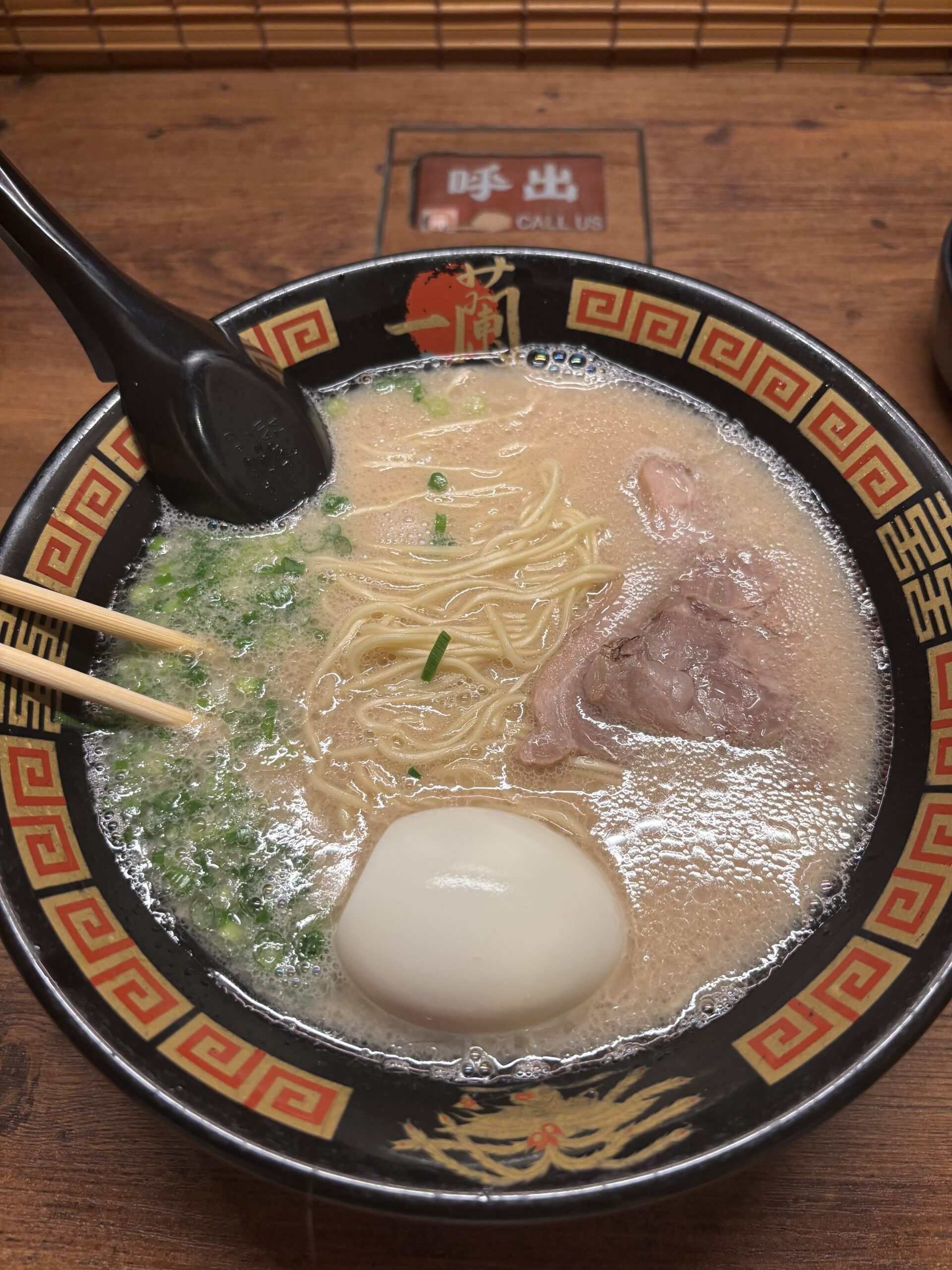
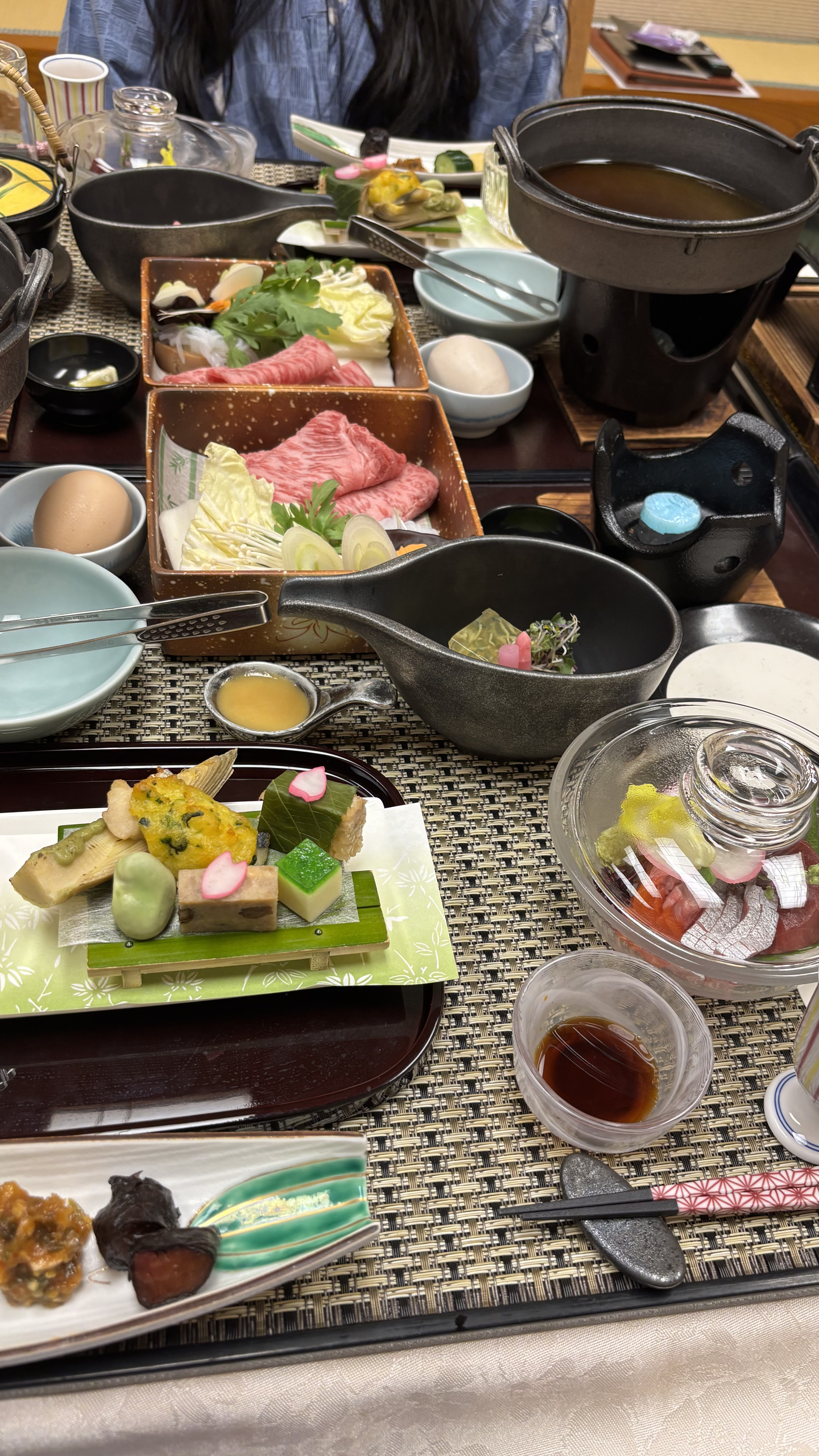
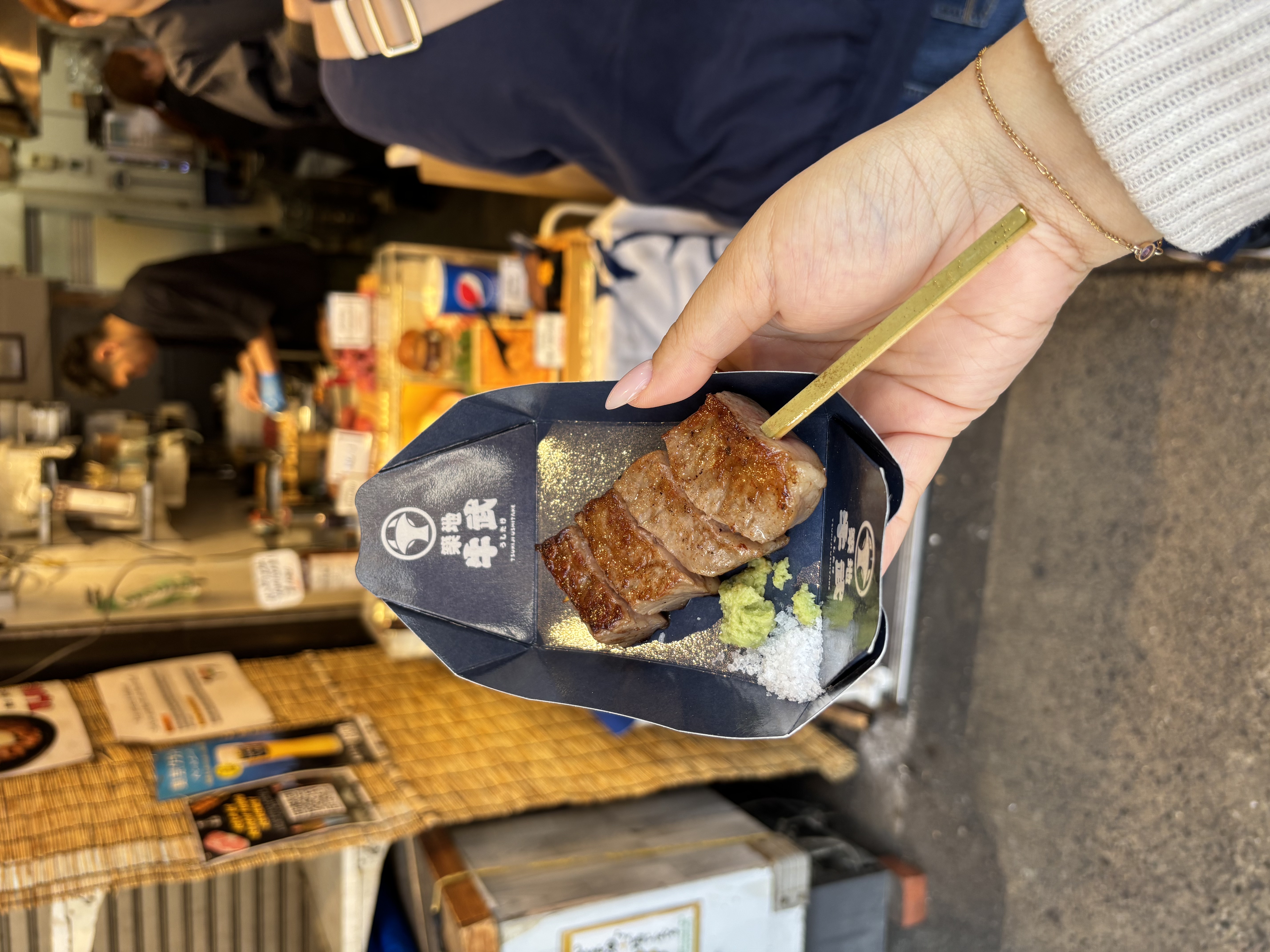
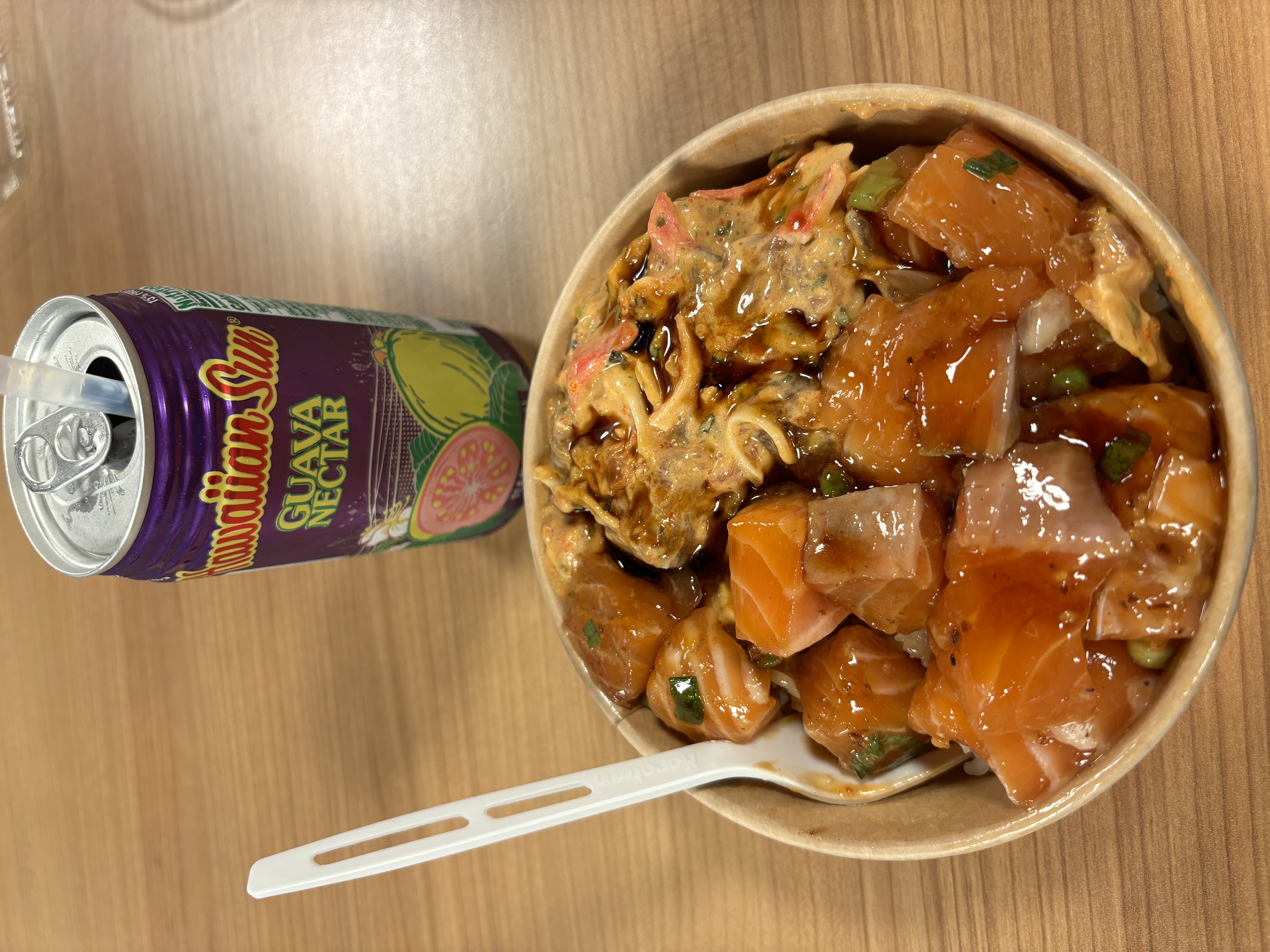
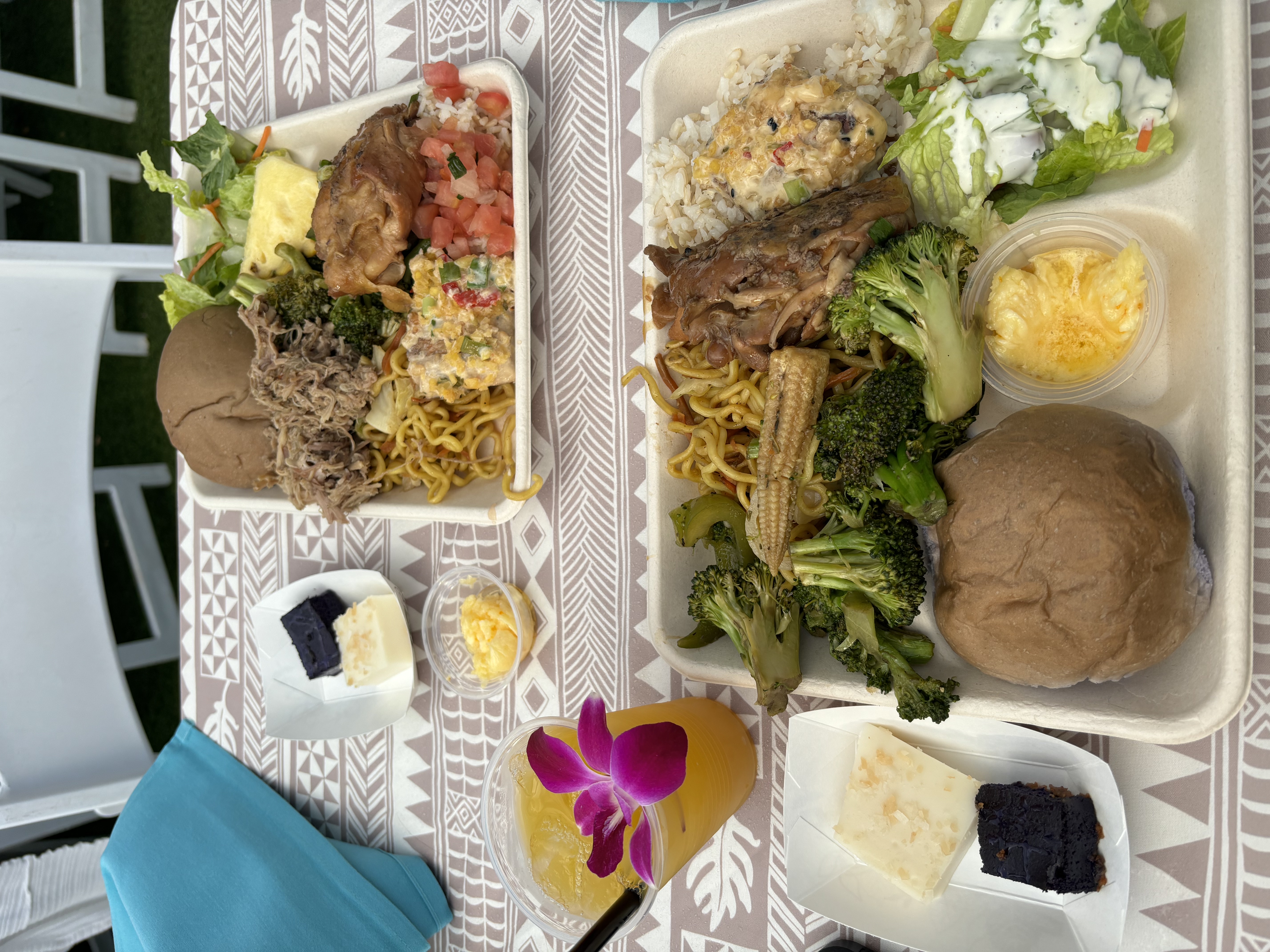
Photo Credits: All photos in this post were taken by the author during their travels.
Leave a Reply